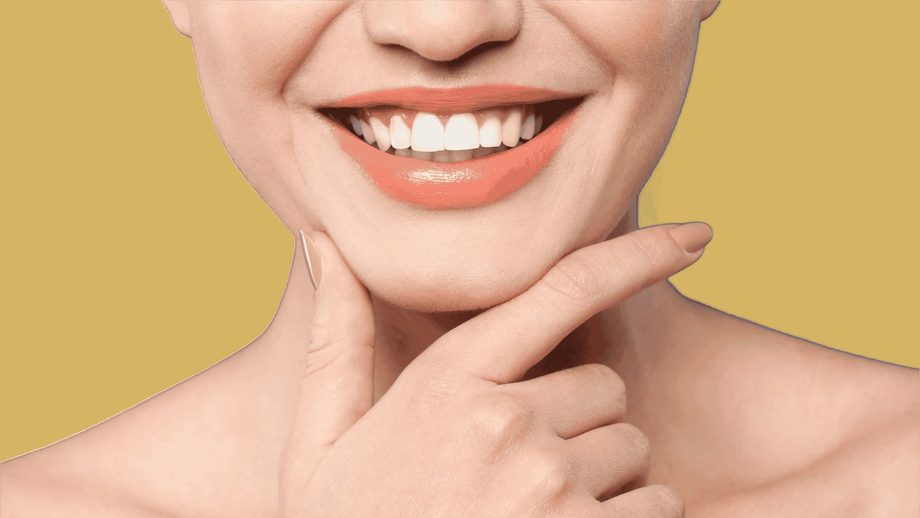
Smile design that looks effortlessly natural. Every veneer, shade, and restoration in this atelier is crafted to enhance your smile. Never to replace your character. Six chapters below cover everything we shape, brighten, and rebuild.
CHAPTER I
Porcelain Veneers
Veneers are very thin shells of durable, tooth-shaped porcelain, custom made for shape and color by a professional dental laboratory and bonded onto the fronts of your teeth. They can completely reshape a smile. And are often the ideal, more conservative alternative to full crowns. Compared with dental bonding, porcelain gives a more durable, stain-resistant, and natural-looking transformation for long-term smile goals.
What veneers can correct
Creating a uniform, white, beautiful smile
Crooked or misshapen teeth
Severe discoloration or staining
Teeth that feel too small or too large
Unwanted or uneven spacing
Worn or chipped edges
What getting veneers involves
Usually two visits, with little or no anesthesia. First, the teeth are prepared by lightly buffing and shaping the surface to make room for the veneer’s thickness; an impression is taken and you choose the shade together with Dr. Zadeh. At the second visit the teeth are cleansed with special liquids for a durable bond, bonding cement is placed, and a light beam hardens and sets each veneer.
Veneers are very durable and last many years, though like most restorations they aren’t forever and may someday need replacement. Good brushing, flossing, and regular visits extend their life.
CHAPTER II
Porcelain Crowns
A crown is a covering that encases the entire visible tooth, restoring it to its original shape and size while protecting and strengthening what remains. The right choice when a tooth can no longer be fixed with fillings or other restorations. We work exclusively in metal-free ceramics: porcelain crowns matched to the shade, translucency, and shape of your natural teeth.
Reasons for a crown
Broken or fractured teeth
Decay too extensive for a filling
Large, fractured, or failing old fillings
Cosmetic enhancement of shape or color
What getting a crown involves
Typically two visits. First, precise impressions are taken for both the final crown and a temporary that protects the tooth for about two weeks while the lab works. The tooth is gently numbed and shaped to receive its crown, and the temporary is placed. At the delivery visit, the temporary comes off, the tooth is cleaned, and your new crown is checked for spacing, bite, and fit before being permanently cemented.
CHAPTER III
Porcelain Bridges
A bridge is a fixed, non-removable, way to replace missing teeth. The classic design suspends a custom porcelain tooth (a pontic) between two crowns placed on the anchoring teeth either side of the gap, restoring the row as one seamless piece.
Why close the gap
Fill the space of missing teeth
Keep neighboring teeth from drifting out of position
Restore comfortable chewing and clear speech
Restore your smile and facial support
Upgrade from a removable partial to a fixed solution
What getting a bridge involves
Two or more visits. The anchoring teeth are prepared and highly accurate impressions are taken for the lab; a temporary bridge protects everything in the meantime. At the next visit the finished porcelain bridge is carefully checked, adjusted, and cemented. Occasionally with temporary cement first, giving your teeth and tissue time to settle before the permanent set.
CHAPTER IV
Full & Partial Dentures
A denture is a removable replacement for missing teeth and the surrounding tissue, made to look and feel remarkably close to the real thing. A complete denture restores an entire arch; a partial denture fills the spaces left by some missing teeth while gently clasping the teeth you still have. Which also keeps them from shifting.
Complete dentures come in two forms: a conventional denture, made once the tissue has healed (usually four to six weeks, during which you go without teeth), and an immediate denture, made in advance and placed the same day teeth are removed. With follow-up adjustments as the tissue naturally reshapes while healing.
What to expect
The process takes several appointments over a few weeks: highly accurate impressions and measurements, try-in fittings to perfect the shape, color, and fit, then careful final adjustments. Increased saliva flow, a little soreness, and an adaptation period for speech and chewing are completely normal at first. And they pass as your muscles and tissue get used to the new teeth.
Dentures are made to last many years, though normal wear and natural changes in your mouth mean they may eventually need adjustment, repair, or replacement. All of which we handle in-house.
CHAPTER V
Teeth Whitening
Whitening is the simplest, least invasive way to change what people notice first. Our custom take-home system uses trays molded precisely to your teeth, no boil-and-bite, no leaking gel, so the whitening formula sits exactly where it should.
What whitening helps
Yellow or brown surface staining
Wear of the outer tooth layer with age
Fluorosis (fluoride-related flecking)
Stains from coffee, tea, and wine
How it works
Two short visits: impressions first, then delivery of your custom clear trays with professional-strength gel. Worn twice a day for about thirty minutes, or overnight, for a few weeks. Depending on the degree of staining. Some temporary sensitivity is normal and settles soon after you finish. Occasional touch-ups keep the result bright, and it’s worth noting whitening works on natural enamel only. Existing crowns or veneers keep their original shade, which we plan around.
CHAPTER VI
Smile Gallery
The best argument for cosmetic dentistry is a real result. Our gallery of smile transformations, conservative veneer cases, whitening refreshes, and full smile designs, lives on the home page.